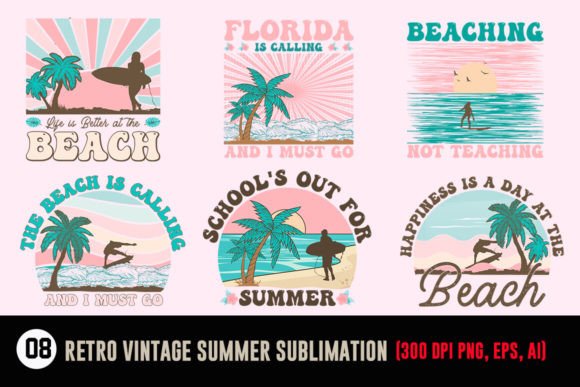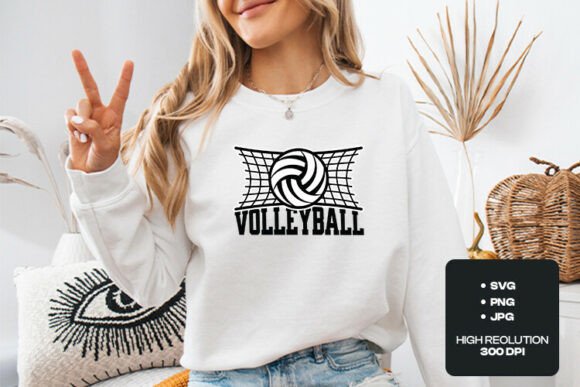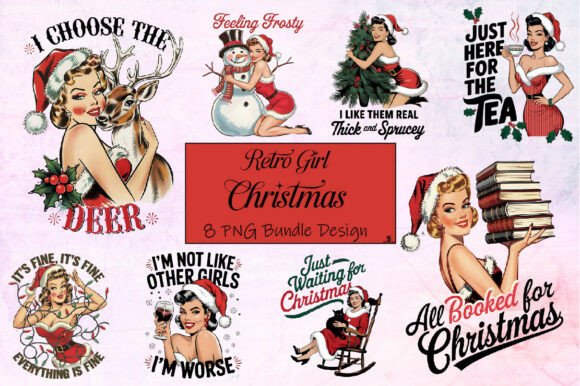
Revive Your Brand with Timeless Vintage Retro T-Shirt Designs
There is a distinct magnetic pull to the aesthetics of the past. Whether it’s the atomic age flair of the 1950s, the psychedelic swirls of the 1970s, or the neon-drenched geometry of the 1980s, these visual languages tap into a deep well of nostalgia. For creators and entrepreneurs, this emotional connection isn't just sentimental; it is a powerful commercial tool. When you integrate throwback visuals into your merchandise, you aren't just selling a piece of clothing; you are selling a feeling, a memory, and a statement of identity. This is where a curated library of assets becomes invaluable, transforming a standard product line into a cultural conversation.
The challenge for many Print-on-Demand (POD) sellers, graphic designers, and DIY enthusiasts is often twofold: sourcing high-quality, legally safe artwork that captures these specific eras accurately, and having that artwork in a format that actually works for production. Pixelated images or generic clipart rarely hold up under the scrutiny of modern printing standards. To truly compete on platforms like Etsy or in a bustling local market, your graphics need to be crisp, scalable, and authentic to the era they represent. A comprehensive design bundle solves this bottleneck, offering immediate access to thousands of possibilities without the need to hire an illustrator for every single concept.
The Anatomy of a Decade-Spanning Bundle
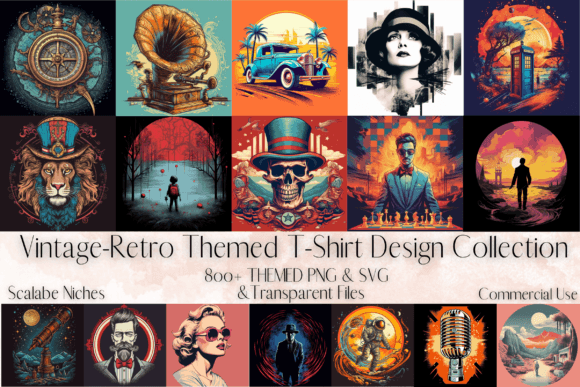
Imagine having over 800 distinct design concepts at your fingertips. That is the core strength of the Vintage Retro T-Shirt Design Collection. This isn't just a random assortment of old-looking images; it is a structured mega bundle that traverses the most visually distinct decades of the twentieth century. From the rockabilly attitude of the 50s to the grunge aesthetic of the 90s, the collection is engineered to cover the entire spectrum of retro culture.
What makes this collection particularly versatile is the diversity of themes. You will find:
- Classic Americana: Think muscle cars, gas station logos, and diner typography.
- Music Culture: Iconic imagery featuring cassette tapes, vinyl records, boomboxes, and band-style lettering.
- Pop Culture Tributes: Sci-fi robots, arcade game aesthetics, and groovy slogans that defined generations.
- Typography-Driven Art: Bold, distressed lettering that reads as both a graphic and a statement.
For the modern designer, having access to both PNG and SVG formats is non-negotiable. The PNG files offer high-resolution transparency, perfect for mockups or quick placements on digital platforms. However, the SVG (Scalable Vector Graphics) files are the real workhorses for professional production. They allow you to scale a design from a small chest pocket print to a massive back print—or even a poster—without losing a single pixel of quality. This scalability ensures that your final product looks just as sharp in reality as it does on the screen.
Beyond the T-Shirt: Strategic Branding Applications
While the name suggests a focus on apparel, limiting these assets to just t-shirts would be a missed opportunity for any business owner. The visual language of "vintage" and "retro" is a powerful tool for brand identity across various mediums. If you are building a brand that values authenticity, craftsmanship, or a specific subculture, these designs can serve as the foundation of your entire visual presence.
Consider how these graphics can elevate other areas of your business:
Packaging and Unboxing Experience
In the e-commerce world, the "unboxing" moment is a crucial part of customer retention. Using retro graphics on your packaging—such as stickers, tissue paper, or box inserts—creates a cohesive brand experience. A 70s-inspired psychedelic pattern on a thank-you card or a 50s-style "Fragile" stamp on a shipping box adds personality that generic, sterile packaging lacks.
Social Media and Web Design
Digital platforms are crowded. A feed filled with generic stock photos often gets scrolled past. Incorporating vintage illustrations into your Instagram stories, Facebook headers, or website banners can stop the scroll. These designs add texture and warmth to digital layouts, making your brand feel more approachable and human. For example, using a cassette tape graphic as a frame for a podcast announcement or a retro badge as a profile avatar helps in immediate brand recognition.
Merchandise Expansion
Once you have the vector files, the product possibilities are endless. Beyond cotton tees, think about the booming market for all-over print leggings, enamel pins, tote bags, and even home decor items like throw pillows or posters. A design that works on a shirt can easily be adapted for a coffee mug or a sticker pack, allowing you to diversify your revenue streams with minimal extra design cost.
Matching the Era to Your Audience
Choosing the right design from a collection this large requires a bit of strategy. You want to match the visual era with the psychological profile of your target audience. This is where understanding modern typography and graphic styles helps in marketing assets.
- The Nostalgic Millennial (Born 80s/90s): This demographic responds well to 80s neon, 90s grunge, and pop culture references from their childhood. Think bold, loud, and slightly ironic designs.
- The Vintage Purist (Aesthetic Seekers): Often younger Gen Z or older demographics, this group loves the authenticity of 50s rockabilly or 60s mod styles. Clean lines, distressed textures, and classic Americana work best here.
- The Hobbyist: If you are selling to car enthusiasts, music lovers, or campers, look for niche-specific illustrations within the bundle—like classic truck vectors or acoustic guitar line art.
It is also worth noting how these retro styles interact with other design assets. A vintage design often pairs well with a clean, sans serif font for modern context, or a gritty script font to lean fully into the throwback vibe. The key is balance; let the graphic do the heavy lifting while supporting text remains legible.
Practical Workflow Tips for Creators
Integrating a large bundle into your workflow can be daunting. Here is how to make the most of the Vintage Retro T-Shirt Design Collection without getting overwhelmed:
1. Curate, Don't Dump: Just because you have 800 designs doesn't mean you should upload 800 products to your store at once. Select 20 to 30 of your strongest designs that fit a specific theme (e.g., "Summer Road Trip" or "Retro Gamer"). Launch them as a collection to create a cohesive shopping experience.
2. Customize for Uniqueness: Because these are design assets available to many, you want to avoid having the exact same product as a competitor. Use the SVG files to tweak colors to match your brand palette, or combine elements from two different designs to create something new. Add your own custom typography or brand logo to make the artwork proprietary to your shop.
3. Focus on Print Placement: Don't just center the design on the chest every time. Vintage tees often feature large back prints with a small pocket logo on the front. Use the high-resolution files to experiment with oversized prints or even text wrapping around the side seams for a more modern, streetwear-inspired fit.
4. Commercial Licensing: Always double-check the licensing terms. A major benefit of professional bundles like this is the ability to use them for commercial projects. Ensure you understand the limits regarding print-on-demand services versus direct printing to avoid any legal hiccups down the road.
Injecting Timeless Appeal into Modern Products
Ultimately, the goal of using a resource like the Vintage Retro T-Shirt Design Collection is to bridge the gap between the past and the present. In a market saturated with minimalism and flat design, the depth, texture, and storytelling found in vintage graphics offer a refreshing alternative. They provide an instant narrative for your product.
Whether you are a seasoned graphic designer looking to speed up your workflow, or an entrepreneur launching your first line of merchandise, these assets provide the raw material for success. They allow you to focus on what matters most: connecting with your customers through high-quality, emotionally resonant products. By leveraging the rich history of 20th-century design, you aren't just creating products; you are curating a lifestyle that your audience will want to buy into.